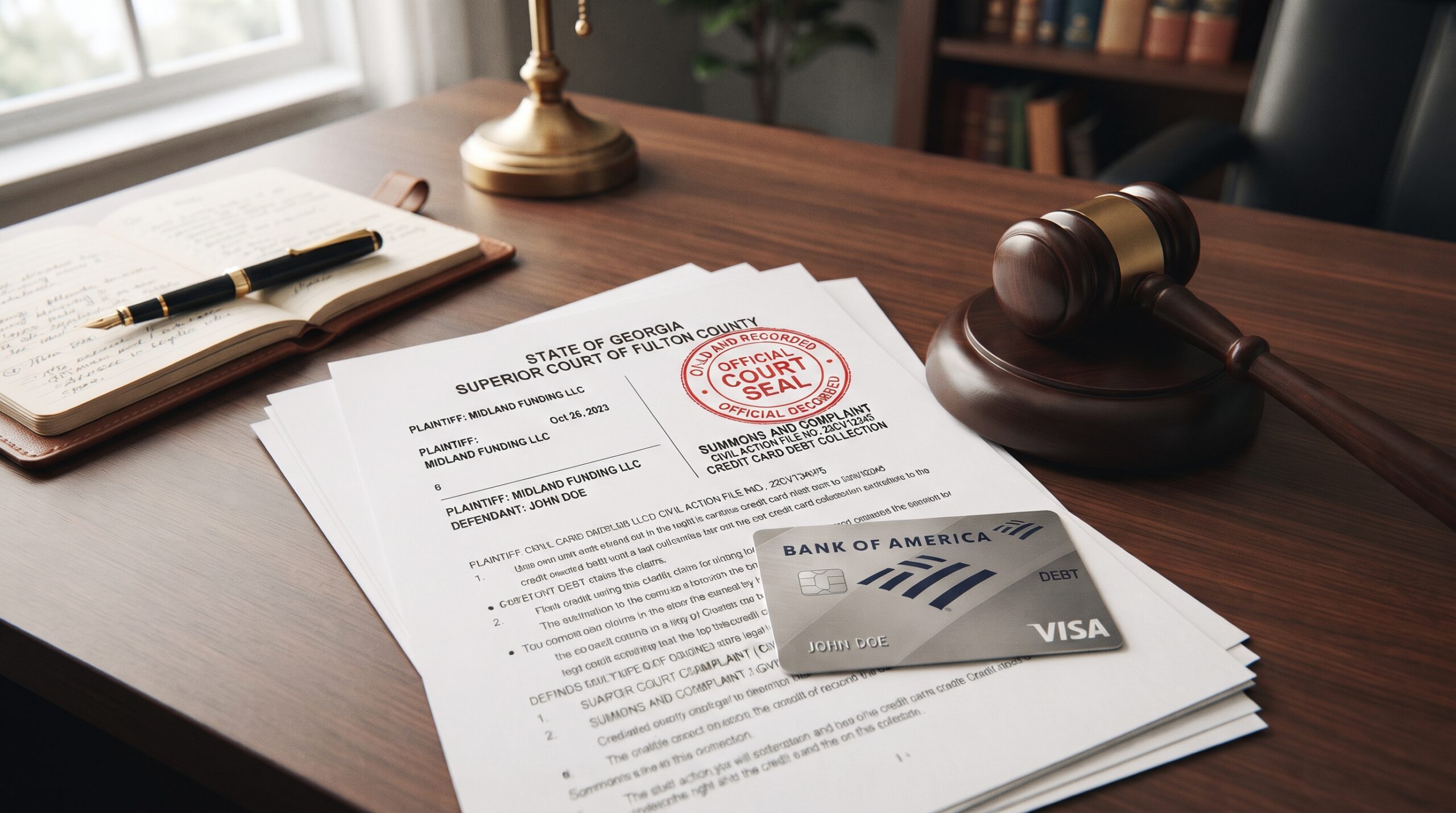
Are you struggling with credit card debt, collection calls, or a lawsuit from a creditor? You may have options to reduce your debt without filing bankruptcy.
Many consumers turn to debt relief programs, debt consolidation companies, or law firms for help managing overwhelming debt. But not all debt relief services provide the same type of legal protection, especially when a creditor has already filed a lawsuit against you.
At Diwan Law, we help Georgia consumers defend debt collection lawsuits, challenge creditor claims, and negotiate settlements.
What Debt Relief Options Are Available in Georgia?
If you are overwhelmed by credit card debt, several paths may be worth considering.
- Debt Settlement. Negotiating directly with creditors to potentially reduce the total amount owed. This can sometimes result in paying significantly less than the original balance, but it requires careful handling.
- Debt Consolidation. Combining multiple debts into one monthly payment, often through a consolidation loan or balance transfer. This simplifies your payments but does not reduce what you owe.
- Debt Collection Defense. Hiring an attorney to challenge a creditor's lawsuit and negotiate a resolution from a position of legal knowledge, not desperation.
- Bankruptcy Alternatives. Exploring ways to resolve debts without going through bankruptcy court. For many consumers, this is the preferred route when the right legal strategy is in place.
The right option depends on your financial circumstances, how many accounts are involved, and whether a creditor has already taken you to court.
Can a Debt Relief Program Stop a Credit Card Lawsuit?
This is one of the most common misconceptions we see. Enrolling in a debt relief program does not automatically prevent creditors from suing you.
Credit card companies and debt collectors may continue collection efforts while you are enrolled in a settlement program. Some creditors will sue even after you have started making payments to a third-party debt relief company, because that company has no legal authority to stop them.
If a creditor sues you in Georgia, you generally have 30 days after being served to file an Answer. That deadline applies regardless of whether you are enrolled in a debt program.
Ignoring the lawsuit could result in a default judgment. Once a creditor holds a judgment, they can garnish wages, freeze bank accounts, and pursue other lawful collection remedies.
A debt relief program does not replace the need to respond to a lawsuit. If you have been sued, you need legal representation, not just a payment plan with a third party.
Why Hire a Georgia Debt Defense Attorney?
Working with an attorney who handles debt collection lawsuits can provide protection that a general debt relief service simply cannot offer.
At Diwan Law, we help consumers by:
- Defending credit card and debt collection lawsuits filed in Georgia courts
- Challenging creditors' evidence and their ownership of debts
- Identifying applicable legal defenses, including statute of limitations issues
- Negotiating reduced settlements when the circumstances support it
- Helping clients avoid default judgments that lead to garnishment
- Offering affordable payment plans for legal services
Unlike general debt relief services, our practice focuses on representing Georgia consumers who are already facing collection litigation. That distinction matters. A debt settlement company can negotiate on your behalf, but it cannot file an Answer, assert legal defenses, or represent you in a courtroom.
Can You Settle Credit Card Debt Without Bankruptcy?
Yes. Many creditors are willing to consider settlements for less than the full balance owed. This is especially true with debt buyers who purchased the account for a fraction of the original balance.
Settlements are not guaranteed, and the amount a creditor may accept depends on the circumstances of each case. Factors that affect settlement include the age of the debt, the strength of the creditor's evidence, and whether the consumer has an attorney involved.
An experienced debt defense attorney can evaluate the lawsuit, identify potential defenses, and use that leverage to negotiate with the creditor.
The Difference Between Debt Relief and Debt Defense
Many people search for "debt relief" when what they actually need is a legal defense. Here is the difference.
Debt relief typically means working with a company that negotiates with your creditors on your behalf. You make monthly deposits into an escrow account, and the company contacts your creditors to offer lump-sum settlements. The process can take years, and creditors are not required to participate.
Debt defense means hiring a lawyer to fight back against a specific lawsuit. Your attorney files court documents, raises legal defenses, challenges the creditor's evidence, and negotiates from a position of strength rather than from behind.
If a creditor has already filed a lawsuit against you, debt defense is what the situation calls for. A payment plan with a debt relief company will not stop a judgment from being entered against you in court.
Protect Yourself Before a Judgment Is Entered
Once a creditor obtains a judgment, your options narrow significantly. Challenging the debt after a judgment is entered is much harder than challenging it before one.
If you are searching for debt relief, credit card debt settlement, or alternatives to bankruptcy in Georgia, the most important step you can take is to get legal advice early, before deadlines pass and before a creditor obtains a judgment by default.
Contact Diwan Law at 404-635-6883 for a free case evaluation.